Stocks Slump as War in Iran Lifts Oil and Dollar: Markets Wrap
In this Article
USDUSD Spot Exchange Rate – Price of 1 USD in USD
By Andre Janse Van Vuuren and Levin Stamm
March 1, 2026 at 3:13 PM EST
Updated on
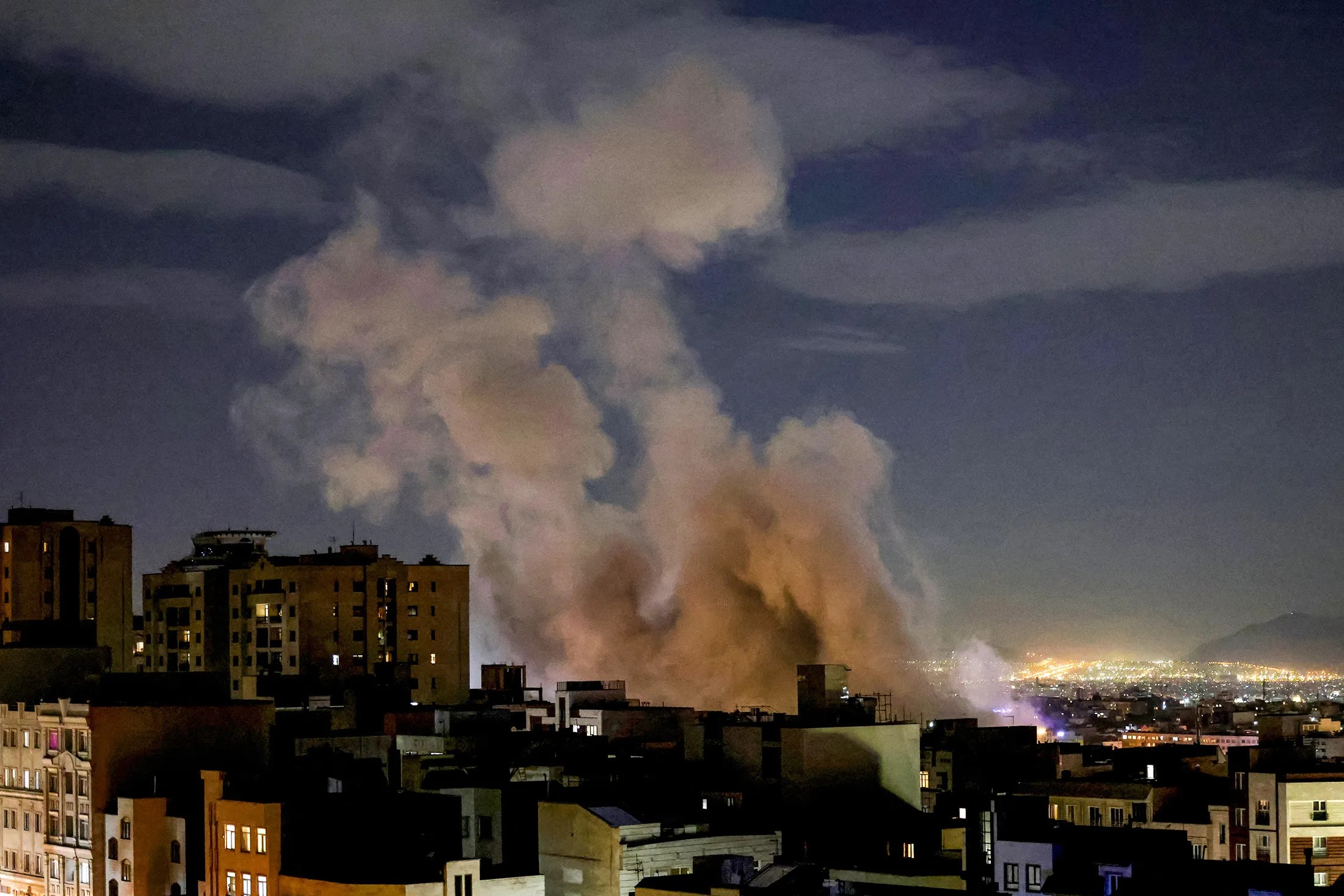
Stocks tumbled and oil prices jumped as the eruption of a military conflict in Iran rattled global markets. Gold and the dollar rose in a rush for havens.
Futures for the S&P 500 fell 1.1% as equities retreated across regions. Nasdaq 100 contracts were down 1.5%. Brent crude traded near $79 a barrel after the conflict effectively shut the Strait of Hormuz — a vital artery off Iran’s coast that carries about a fifth of the world’s oil and significant volumes of gas.
Safer assets drew strong demand as investors cut back on risk. Gold rose more than 2% to nearly $5,400 an ounce. The dollar gained the most in nearly a month. Treasuries, however, fell across the curve, unwinding part of last week’s rally that pushed the 10-year yield below 4% on concern the Federal Reserve may be less inclined to cut interest rates if oil prices remain high.
“The endgame remains highly uncertain, ranging from a relatively swift political exit to a broader regional spillover,” said Mathieu Racheter, head of equity strategy at Julius Baer. “In such a fog of war, markets tend to trade probabilities rather than shifting facts.”
The spiraling conflict in the Middle East is adding fresh headwinds for markets already on edge over shifting US tariff policy, disruption from artificial intelligence and stress tied to private credit. Among the most pressing questions for traders are how long the conflict will last and how far hostilities spread.
Oil, VIX Futures Move Higher
Source: Bloomberg
President Donald Trump said the bombing campaign in Iran will continue, possibly for weeks, and called on the nation’s leaders to capitulate, while the Islamic Republic’s security chief said it has no intention of negotiating with the US. Meanwhile, Aramco halted operations at Saudi Arabia’s largest refinery after a drone strike in the area, according to people familiar with the matter.
“It is still very unclear what the duration of the conflict will be and more importantly, how the energy market reacts,” said Andrea Gabellone, head of global equities at KBC Securities. “One positive for the US is that the market has corrected since January, so we are not in overbought territory. It’s fair to say havens should continue to outperform.”
In Europe, gas surged as much as 25% on risks to global flows. The banking and travel sectors slid 3% or more, sending the Stoxx 600 down by 1.8%. British Airways owner IAG SA slumped 5% amid a widespread disruption to flights in the Middle East.
A gauge of developing nations’ currencies, which reached a record high last week, fell 0.7%. EM equities dropped 1.6%, the most in more than three weeks, with some east European bourses down as much as 3% in early trade.
What Bloomberg’s Strategists Say…
“There is no catch-all defensive asset that can fully insulate portfolios from a sustained conflict in the Middle East. However, the dollar remains an effective hedge against energy price surges and the resulting cost-push inflation, reflecting the US shift from net energy importer to exporter.”
— Skylar Montgomery Koning, macro strategist. For full analysis, click here.
Strategists at Barclays Plc warned against quickly buying any dip. Investors have grown accustomed to geopolitical flare-ups that fade fast, but this episode risks lasting longer, wrote Ajay Rajadhyaksha, the firm’s global chairman of research, citing the potential for US casualties, strikes on Iranian leadership and disruption to Hormuz traffic.
“The risk-reward doesn’t seem compelling,” he said. “If equities pull back enough (say over 10% in the S&P 500), there is likely to come a time to buy. But not yet.”
Any long-lasting oil price spike would also muddy the case for Treasuries. While a flight to safety in markets would cause yields to fall, higher energy prices that feed through the economy and stoke inflation drive them higher.
“This is all coming at a fragile time as investors are becoming more cautious,” said Dec Mullarkey, managing director at SLC Management. “US equity markets are already very sensitive to threats of technology disruption and emerging credit stress, so the prospects of higher commodity prices could force a selloff as investors rein in risk.”
| Key Events This Week |
|---|
| For a list, click here. |
UBS’ Claudia Panseri says the selloff in European stocks can be considered “a good entry point considering valuation.”
Some of the main moves in markets:
Stocks
- The Stoxx Europe 600 fell 1.5% as of 9:42 a.m. London time
- S&P 500 futures fell 1.2%
- Nasdaq 100 futures fell 1.6%
- Futures on the Dow Jones Industrial Average fell 1.1%
- The MSCI Asia Pacific Index fell 1.6%
- The MSCI Emerging Markets Index fell 1.6%
Currencies
- The Bloomberg Dollar Spot Index rose 0.5%
- The euro fell 0.7% to $1.1735
- The Japanese yen fell 0.6% to 156.91 per dollar
- The offshore yuan fell 0.3% to 6.8818 per dollar
- The British pound fell 0.9% to $1.3367
Cryptocurrencies
- Bitcoin rose 1.1% to $66,376.41
- Ether rose 1.4% to $1,957.06
Bonds
- The yield on 10-year Treasuries advanced three basis points to 3.97%
- Germany’s 10-year yield advanced two basis points to 2.66%
- Britain’s 10-year yield advanced 10 basis points to 4.33%
Commodities
- Brent crude rose 7.9% to $78.62 a barrel
- Spot gold rose 2.2% to $5,395.37 an ounce
This story was produced with the assistance of Bloomberg Automation.
— With assistance from Neil Campling and Anand Krishnamoorthy
View this Bloomberg article CLICK HERE
 Media Air Base, LLC
Leave a comment