How Trump’s Tariffs May Help US Manufacturing
In recent years, tariffs imposed by the Trump administration have become a focal point in discussions about American manufacturing. While tariffs are often criticized for their potential to raise consumer prices and disrupt trade relationships, they also present some opportunities for revitalizing the US manufacturing sector.
One of the primary ways tariffs can aid manufacturing is by protecting domestic industries from foreign competition. By imposing higher taxes on imported goods, these tariffs can make American-made products more price competitive. This protection allows local manufacturers to maintain and potentially expand their market share, leading to increased production and job creation within the country.
Tariffs can be an influence for companies to invest in domestic production capabilities. With a reduction in the influx of cheaper imports, manufacturers may be encouraged to expand their facilities, upgrade technology, and hire more workers. This not only boosts the economy but also fosters innovation and sustainability within the manufacturing sector.
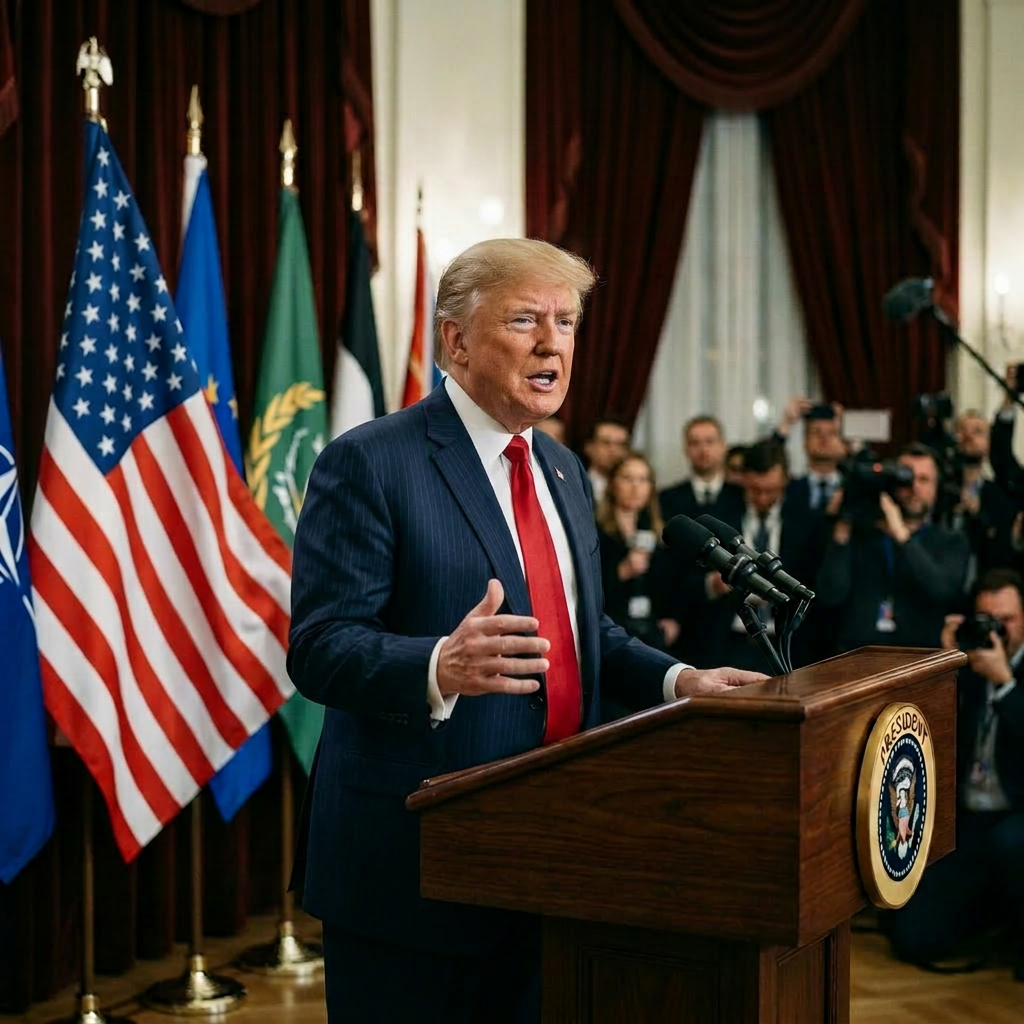
The long-term effects of tariffs on the US manufacturing landscape remain to be seen. However, there is no denying that in the short term, they provide a strategic advantage for American manufacturers striving to grow and thrive in a competitive global market. As policymakers continue to navigate international trade dynamics, understanding the implications of tariffs will be crucial in shaping the future of manufacturing in the United States.
While tariffs are frequently criticized for raising consumer prices and disrupting trade relationships, they can also offer unique opportunities for revitalizing the US manufacturing sector, especially in the context of international conflicts. By levying higher taxes on imports, tariffs can make American-made products more price competitive. This protection enables local manufacturers to not only maintain but also potentially expand their market share, which can lead to increased production and job creation within the United States.
The geopolitical climate, particularly regarding tensions with Iran, can further reinforce the need for domestic production. In times of conflict, reliance on foreign supply chains can pose significant risks to companies. With uncertainties surrounding imports due to geopolitical instability, businesses might prioritize sourcing materials and products domestically. This shift could lead to increased investments in American manufacturing capabilities, driving growth in the sector.
The reduction of cheaper imports and the unpredictability of supply chains might encourage manufacturers to expand facilities, upgrade technologies, and hire more workers. Such activities not only bolster the economy but also promote innovation and sustainability within the manufacturing sector.
As policymakers navigate the complex landscape of international trade and geopolitical tensions, understanding the implications of tariffs in conjunction with events like the Iran conflict is crucial for shaping the future of manufacturing in the United States. While the long-term impacts remain uncertain, there is a clear short-term strategic advantage that tariffs, particularly in the context of global instability, provide for American manufacturers striving to grow and thrive in an increasingly competitive market.
 Media Air Base, LLC
Leave a comment