S&P 500 Futures Edge Higher After Index Posts Another Record
The S&P 500 index, a major indicator of U.S. equities, has recently achieved yet another record close, signaling strong investor confidence in the market. This surge in the index has been mirrored by S&P 500 futures, which have also begun to edge higher in response. This article delves into the factors driving this upward momentum, the implications for investors, and what it might mean for the market moving forward.
Understanding S&P 500 Futures
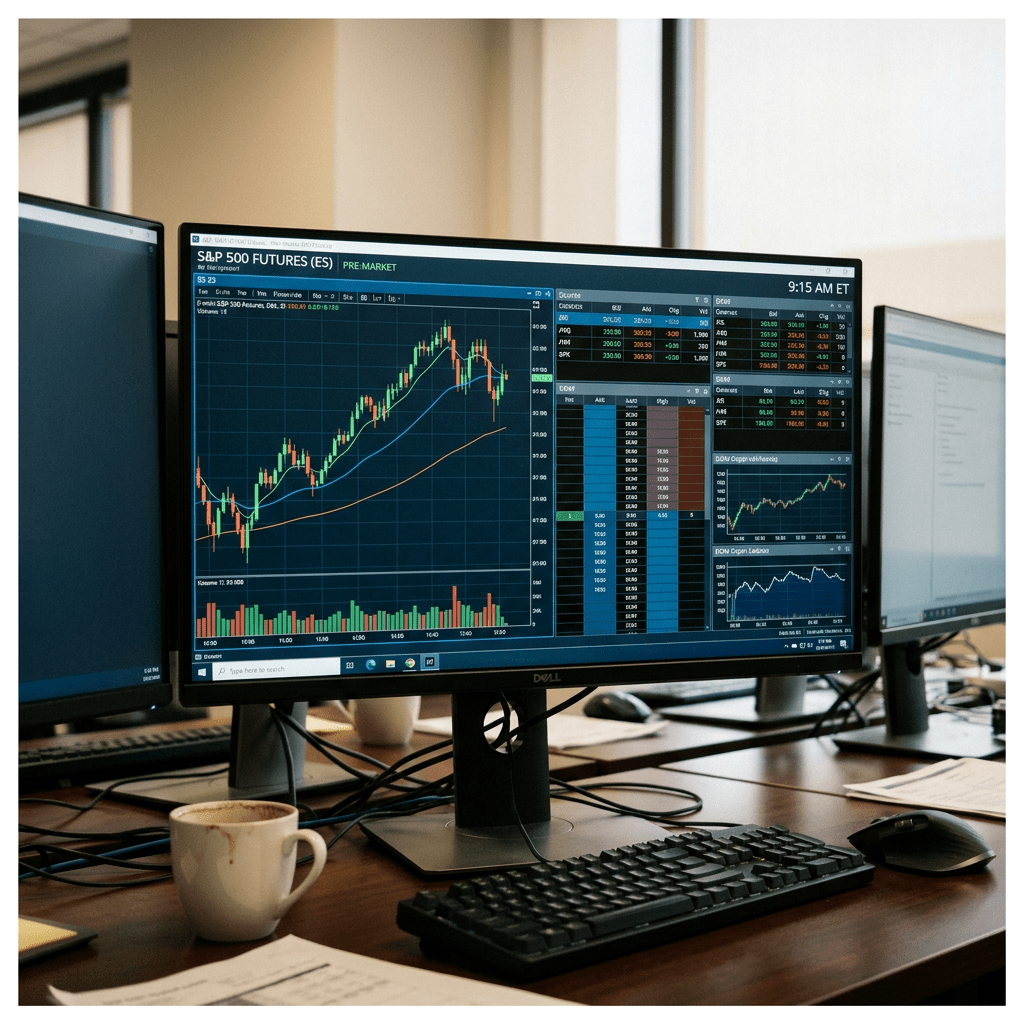
S&P 500 futures are contracts that allow investors to speculate on the future value of the S&P 500 index. These futures are widely regarded as a leading indicator of market trends, as they trade outside of regular stock market hours and can provide insights into investor sentiment before the market opens.
Factors Driving Record Highs
Several key factors have contributed to the recent record highs in the S&P 500:
- Strong Earnings Reports: Many companies within the S&P 500 have posted robust earnings, exceeding analyst expectations. This has bolstered investor confidence and contributed to rising stock prices.
- Economic Recovery: Following the COVID-19 pandemic, the U.S. economy has shown signs of recovery, driven by consumer spending and support from government policies. A strong economy often translates into higher corporate profits, which can lift stock prices.
- Monetary Policy Support: The Federal Reserve’s commitment to maintaining low interest rates has provided a favorable environment for stocks. Low borrowing costs enable companies to invest in growth, thereby supporting higher stock valuations.
- Positive Market Sentiment: Investor sentiment has remained optimistic, buoyed by favorable economic data and a relatively stable geopolitical landscape. This optimism often leads to increased buying activity in the market.
Implications for Investors
With S&P 500 futures edging higher after the index’s record close, investors should consider the following implications:
- Market Volatility: While record highs can indicate a strong market, they can also lead to increased volatility. Investors should be prepared for potential pullbacks and remain focused on long-term strategies.
- Diversification: As the market reaches new heights, diversifying portfolios becomes increasingly important. Investing across various asset classes can help mitigate risks associated with market fluctuations.
- Monitoring Economic Indicators: Keeping an eye on economic indicators, such as inflation rates and employment figures, can help investors gauge future market movements and make informed decisions.
What Does This Mean for Futures
The recent record highs of the S&P 500 index and the corresponding rise in S&P 500 futures reflect a robust market driven by strong corporate earnings, economic recovery, and supportive monetary policy. As these factors continue to influence investor sentiment, it is crucial for investors to remain vigilant and adaptable in their strategies. Understanding the dynamics of the market can empower investors to navigate the complexities of an ever-evolving financial landscape.
 Media Air Base, LLC
Leave a comment