The World Can’t Get Enough U.S. Energy
Published May 18, 2026 3:15AM ET UPDATED 2:00PM ET
Overseas buyers are looking to America for oil and transportation fuels, helping deplete its domestic inventories
In recent months, the demand for U.S. energy has surged, leading to rising prices for American consumers. With a growing appetite for energy both domestically and internationally, the implications for the average American household are significant.
As countries around the globe look to secure stable energy sources, the U.S. has positioned itself as a key player in the energy market. This increasing demand has pushed prices upward, affecting everything from gas to electricity bills. The higher costs can put a strain on family budgets, forcing many to reevaluate their spending.
Meanwhile, as the situation unfolds, industry experts are calling for a strategic approach to energy management. A focus on renewable energy sources and efficiency could help mitigate the impact on consumers while ensuring energy security for the future.
Balancing the growing global demand with the needs of American citizens will be crucial in the coming years. As we navigate this complex landscape, understanding the factors driving energy prices will empower consumers to make informed decisions for their households.
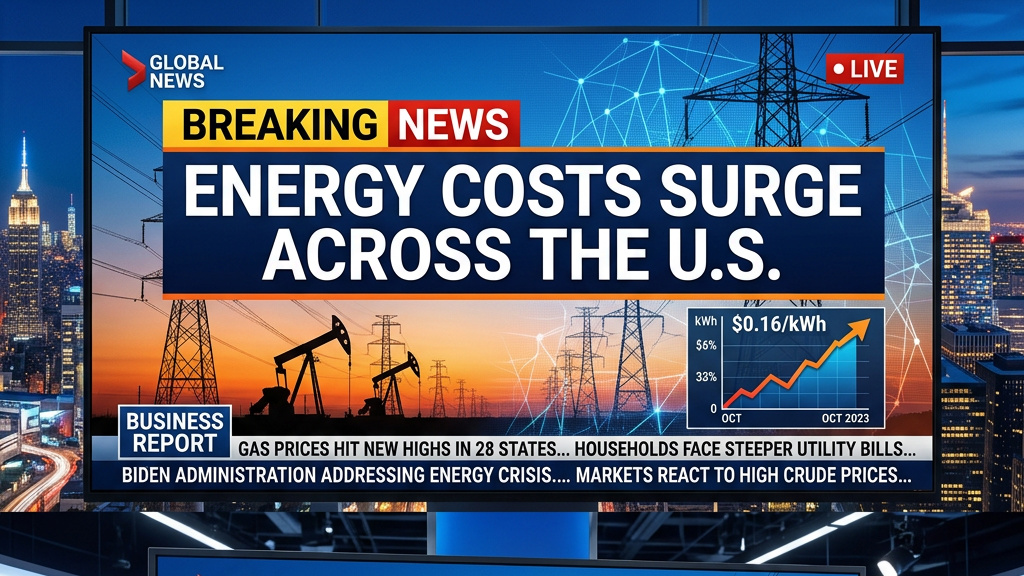
The World Can’t Get Enough U.S. Energy, Keeping Prices High for Americans
In a landscape marked by an ever-increasing global demand for energy, the United States has emerged as a pivotal provider. As foreign buyers increasingly look to American shores for oil and transportation fuels, domestic inventories are shrinking, leading to significant consequences for American consumers. The interplay between international energy demand and domestic supply is creating a scenario that not only influences market dynamics but also places financial pressure on households across the nation.
U.S. Energy Demand: A Global Perspective
The surge in global energy demand has seen many countries prioritize the acquisition of stable and reliable energy sources, with the U.S. being a key player in this arena. Factors such as geopolitical instability in traditional oil-producing regions, along with a post-pandemic recovery surge, have contributed to this heightened demand. As a result, overseas buyers are actively seeking American energy products, which offers lucrative opportunities for producers but concurrently leads to depleted domestic supplies.
The Impact on Domestic Inventories
As more overseas buyers tap into U.S. energy resources, domestic inventories are diminishing. This scenario has raised alarms about energy security and price volatility at home. The U.S. Energy Information Administration (EIA) has reported notable declines in oil reserves, directly tying these trends to high foreign demand.
This depletion is particularly concerning given the reliance on oil for transportation fuels. A dwindling supply within the country poses risks that go beyond just rising prices; it can include greater vulnerability to external supply chain disruptions, which can exacerbate cost issues for American consumers.
Rising Prices: The Burden on American Households
With prices for gas and other energy resources climbing, American households are feeling the pinch. According to recent data, fuel prices have escalated, impacting not just transportation costs but also the overall cost of living. Higher energy prices trickle down into various aspects of daily life, affecting everything from commuting expenses to utility bills.
As families balance their budgets, the need for careful financial planning becomes crucial. Many citizens are forced to make tough choices regarding their spending habits as they navigate increasing energy costs, determining whether to cut back on discretionary expenses in order to meet essential energy needs.
Strategies for Energy Management
In light of these challenges, industry experts emphasize the importance of a strategic approach to energy management. Increasing investments in renewable energy sources, enhancing energy efficiency, and pursuing policies that promote sustainability can help cushion the impact on consumers.
Transitioning to renewable energy not only addresses immediate price concerns but also contributes to long-term energy stability. By diversifying energy portfolios and reducing dependencies on oil, the United States can better insulate itself from fluctuations in global markets.
Conclusion: A Fragile Balance
As we move forward, balancing the escalating global demand for U.S. energy with the needs of American consumers will be critical. Understanding the intricacies of this complex situation enables households to make informed decisions about their energy consumption and spending.
In an interconnected world, the U.S. has the opportunity to lead in energy production while ensuring that its populace is equipped to face the economic realities that come with it. As we glean insights from this evolving energy landscape, a well-rounded vision for the future—one that encompasses both immediate needs and long-term sustainability—will be vital for the prosperity of American households.
 Media Air Base, LLC
Leave a comment