Unprecedented Grocery Increases Since the War Began
UPDATED May 18, 2026 2:50PM ET
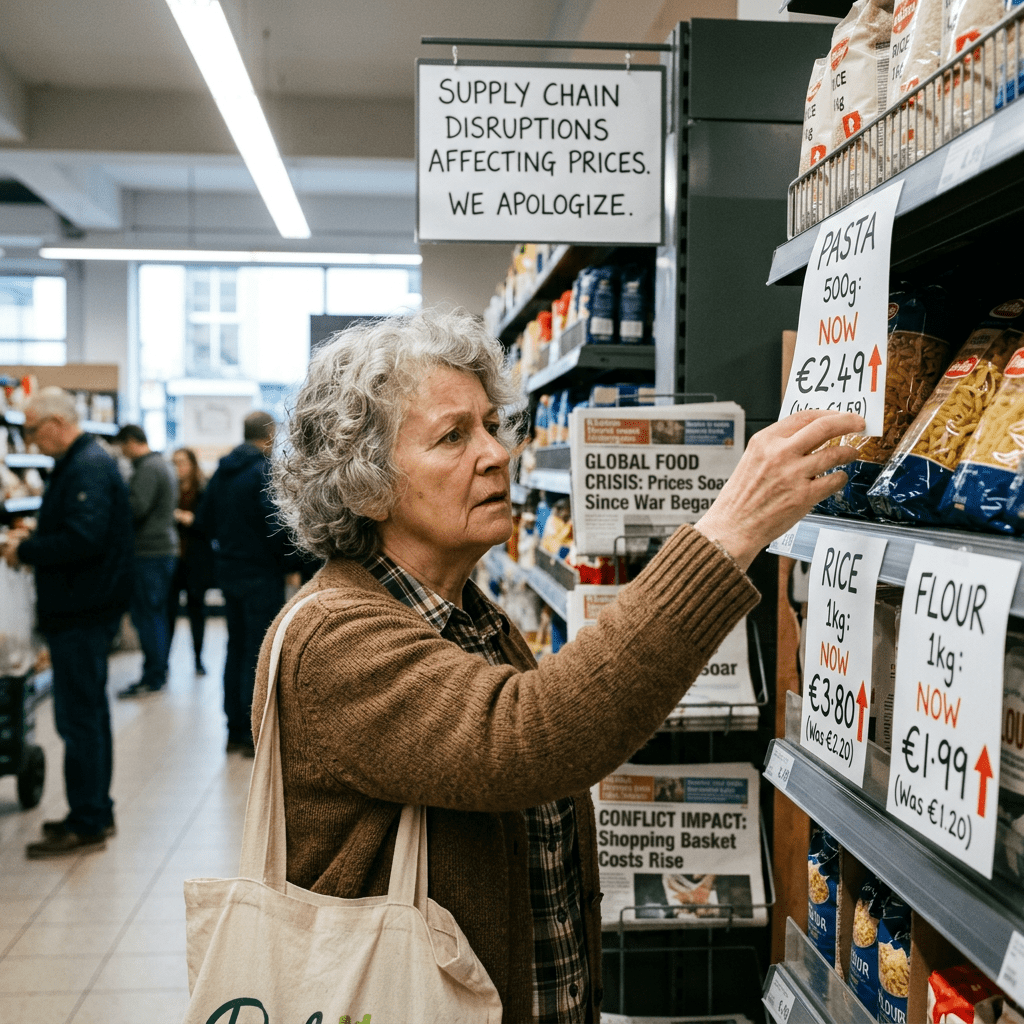
Grocery prices have surged to unprecedented levels, marking the highest increase since the onset of the war. This rise in prices has left consumers feeling the pinch as essential items become increasingly unaffordable. With supply chains disrupted and demand fluctuating, families are feeling the impact of these changes every time they visit their local grocery store.
As we navigate these economic challenges, it’s important to explore ways to manage our budgets effectively, seek out local markets, and consider meal planning to maximize savings. Understanding the factors contributing to this price spike can also empower consumers to make more informed decisions during their shopping trips. As these trends continue to evolve, staying aware and adaptable becomes key in ensuring that our basic needs are met without breaking the bank.
Grocery Prices Surge
In recent months, consumers have faced a significant surge in grocery prices, marking the highest levels of increase since the onset of the war. This rise in prices has impacted households across the nation, as essential items have become increasingly unaffordable.
Understanding the Causes
Several factors have contributed to this drastic increase in grocery prices. One of the most pressing issues is the disruption of supply chains, which has been a direct consequence of the conflict. Transportation delays, reduced production capacities, and labor shortages have all led to challenges in getting products to market. Additionally, fluctuations in demand have exacerbated the situation, pushing prices even higher.
Essential Items Affected
Families have noticed significant price hikes on staple items, including:
- Grains: Prices for wheat and rice have soared due to diminished harvests and export restrictions in conflict-affected regions.
- Dairy Products: Scarcity of feed and rising operational costs for dairy farms have led to higher prices for milk, cheese, and yogurt.
- Meat: Supply chain disruptions have made it difficult for meat processing plants to operate at full capacity, driving up costs for beef, pork, and poultry.
- Fresh Produce: Weather-related challenges and transportation issues have resulted in spikes in the prices of fruits and vegetables.
Managing Your Grocery Budget
As families grapple with these rising costs, it becomes increasingly important to find ways to manage household budgets effectively. Here are some strategies to consider:
- Meal Planning: Planning meals in advance can help minimize food waste and ensure that you purchase only what you need.
- Shopping at Local Markets: Local farmers’ markets often offer fresh produce at competitive prices, and buying in season can yield additional savings.
- Bulk Purchasing: Buying non-perishable items in bulk can lead to cost savings over time, helping to offset higher prices on individual items.
- Comparing Prices: Use apps or websites to compare prices across different grocery stores to ensure you are getting the best deals.
Staying Informed and Adaptable
Understanding the factors behind rising grocery prices is essential for consumers aiming to make informed decisions during their shopping trips. By staying aware of market trends and adopting smart shopping habits, families can navigate these economic challenges without breaking the bank.
As these trends continue to evolve, remaining adaptable is key in ensuring that we meet our basic needs while maintaining our financial well-being.
 Media Air Base, LLC
Leave a comment