What we have so far is a costly wish list of economic interventions – but who picks up the tab?
Posted May 19, 2026 5:50AM ET
Burnham has just unveiled his ambitious and costly plans for government reform, igniting discussions across various sectors. Focused on revitalizing the economy and enhancing public services, his proposals are designed to address longstanding issues that have plagued the administration. Critics and supporters alike are weighing in on the implications of such financial commitments, debating whether the potential benefits will outweigh the costs. As these plans move forward, it will be essential to monitor how they will impact the daily lives of citizens and the overall direction of governance.
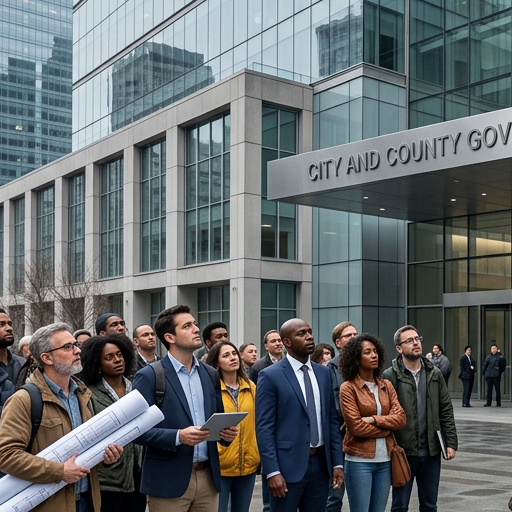
Analyzing Burnham’s Expensive Plans for Government Reform
Recently, Burnham unveiled a set of ambitious plans aimed at government reform, sparking significant debate and discussion across various sectors. With a focus on revitalizing the economy and enhancing public services, Burnham’s proposals represent a substantial financial commitment aimed at tackling longstanding issues that have plagued the administration.
A Costly Wish List
At the heart of Burnham’s strategy lies what critics have termed a “costly wish list” of economic interventions. These plans are not only ambitious but also entail considerable expenditures that raise the critical question: who will ultimately bear the financial burden of these initiatives? As these proposals are discussed, it’s imperative to consider both the immediate and long-term implications for taxpayers and the economy as a whole.
Key Proposals and Objectives
Burnham’s plans encompass a variety of reforms targeted at different areas, including:
- Revitalization of Local Economies: Initiatives aimed at stimulating economic growth in various sectors, potentially through infrastructure investments and incentives for local businesses.
- Enhancement of Public Services: Proposed improvements to health care, education, and social welfare programs to better serve citizens and increase quality of life.
- Sustainability Initiatives: Programs focused on addressing environmental concerns while promoting economic growth and job creation.
The Debate: Benefits vs. Costs
Supporters of Burnham’s proposals argue that the potential benefits could outweigh the costs, asserting that strategic investments can lead to long-term economic gains and improved public welfare. They believe that revitalizing the economy and enhancing public services can lead to more job opportunities, better living standards, and increased tax revenues in the future.
Conversely, critics caution against the expansive spending outlined in the plans, emphasizing the risk of escalating national debt and questioning the feasibility of such large-scale reforms in the current economic climate. They urge for a more cautious approach, advocating for financial accountability and prioritization of existing needs before implementing new expenditures.
Implications for Daily Life and Governance
As the government moves forward with evaluating these proposals, it will be vital to monitor their impact on citizens’ daily lives. The effectiveness of these reforms will not only shape the economic landscape but also influence public perception of governance and trust in political leadership. Engaging with the community, understanding their needs, and maintaining transparency will be crucial in ensuring that these ambitious plans genuinely benefit the public.
Conclusion
In conclusion, Burnham’s revealed plans for government reform represent a pivotal moment in addressing longstanding issues while posing significant financial questions. As discussions continue, the focus will be on balancing ambition with fiscal responsibility, ensuring that the burden of financing these initiatives does not fall disproportionately on taxpayers. The upcoming discussions and decisions will ultimately determine the trajectory of governance and the well-being of citizens in the near future.
Read more via the Telegraph
 Media Air Base, LLC
Leave a comment