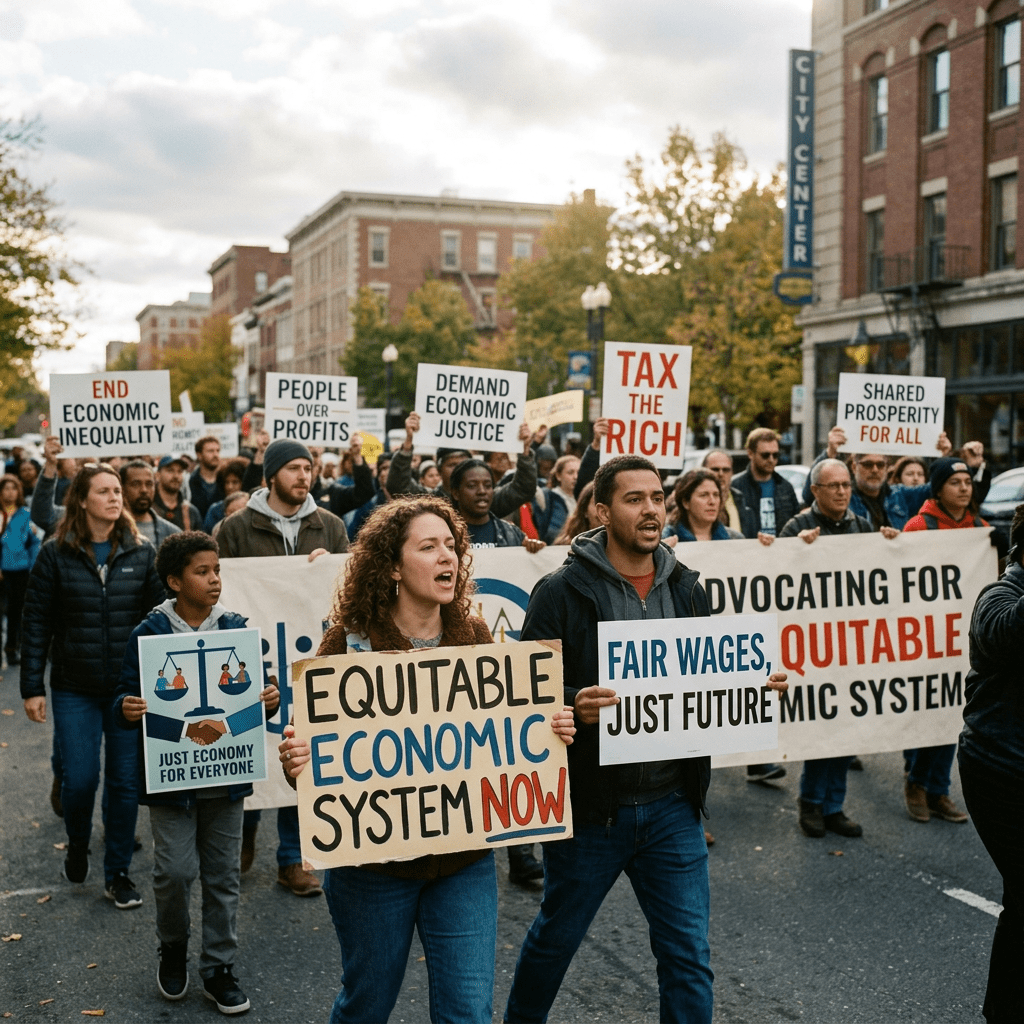
reflects a growing movement advocating for a more equitable economic system
Posted May 19, 2026 5:25AM ET
In recent discussions surrounding wealth and taxation, a fascinating trend has emerged: a number of billionaires are urging their fellow ultra-wealthy peers to step up and pay their fair share in taxes. This has sparked conversations about social responsibility and the role of the super-rich in funding public services.
The call for billionaires to “shut up and pay their taxes” isn’t just a bold statement; it reflects a growing movement advocating for a more equitable economic system. High-profile figures in the tech and finance industries are emphasizing the need for more robust tax policies that don’t disproportionately burden the middle and lower classes.
By taking a stand, these billionaires not only highlight the glaring disparities in wealth distribution but also seek to challenge the narrative that wealth accumulation absolves individuals from contributing to societal welfare. This movement is gaining traction, with more wealthy individuals acknowledging the importance of supporting infrastructure, education, and healthcare through fair taxation.
As this discourse unfolds, it becomes evident that the conversation around taxes is not merely about financial contributions; it encompasses broader themes of fairness, social duty, and the kind of society we aspire to create. The actions and attitudes of these billionaires could very well influence public policy and change the perception of philanthropy and responsibility among the wealthy.
“Shut Up and Pay Your Taxes”
Recently, the discourse around wealth and taxation has gained considerable momentum, particularly as a number of billionaires have publicly encouraged their ultra-wealthy counterparts to “shut up and pay their taxes.” This call to action reflects a growing acknowledgment of social responsibility among the super-rich and highlights the significant role they play in funding public services.
The Emergence of a New Movement
The statement to “shut up and pay their taxes” is more than just a catchy phrase; it symbolizes a burgeoning movement advocating for a more equitable economic system. Wealthy individuals in industries like technology and finance are increasingly vocal about the need for substantial tax reforms that ensure the wealthy contribute their fair share, without disproportionately impacting the middle and lower classes.
High-profile billionaires such as Warren Buffett and Bill Gates have been at the forefront of this conversation, arguing that the super-rich have a moral obligation to support the society that enabled their success. Their advocacy challenges the conventional perception that extreme wealth absolves individuals from contributing to the common good.
Addressing Wealth Disparities
One of the central issues driving this dialogue is the glaring disparity in wealth distribution. As income inequality reaches staggering levels, the discussions surrounding fair taxation have gained urgency. These billionaires emphasize that a robust tax policy can help bridge the gap between the rich and poor, ensuring that essential public services like healthcare, education, and infrastructure are adequately funded.
By publicly urging their peers to embrace higher tax contributions, these billionaires aim to shift the narrative around wealth accumulation. They contend that wealth should not be viewed solely as a personal achievement but as a collective responsibility to foster societal well-being.
Beyond Financial Contributions
The ongoing conversation about taxes transcends mere financial obligations. It encompasses broader themes of fairness, social duty, and the societal framework that wealthy individuals wish to nurture. As this discourse unfolds, it becomes clear that the implications of these discussions extend far beyond economics; they reach into the fabric of our societal values.
The actions and attitudes of these billionaires could very well influence public policy, offering a new perspective on philanthropy and responsibility among the wealthy. Their commitment to advocating for stronger tax policies serves as a beacon for other high-net-worth individuals, urging them to reconsider their roles within the economic landscape.
Conclusion
The movement spearheaded by certain billionaires urging their peers to “shut up and pay their taxes” is a significant development in the conversation about wealth and social responsibility. As the dialogue continues to evolve, it presents an opportunity for a more equitable economic framework that prioritizes the common good. By addressing wealth disparities and emphasizing the importance of fair taxation, these billionaires are not only challenging the status quo but are also paving the way for a more just society.
Read more via CNN
 Media Air Base, LLC
Leave a comment