Stocks surged on Monday, while the U.S. dollar and oil prices slid as the prospect of a deal to end the Iran war buoyed risk appetite
although a lack of clarity over when the Strait of Hormuz would open kept enthusiasm in check.
Posted May 25, 2026AM ET
Stocks Rally on Peace Hopes in the Middle East
In a surprising turn of events, global stock markets experienced a significant rally as hopes for peace in the Middle East began to take shape. Investors are optimistic that potential resolutions to ongoing conflicts could foster stability in the region, encouraging economic growth and trade.
As a direct consequence of this optimism, both oil prices and the strength of the dollar have shown signs of easing. Lower oil prices may lead to reduced costs for consumers and businesses alike, potentially driving further investment and spending. Meanwhile, a softened dollar can provide a boost to exports, making American goods more competitive in the global market.
Market analysts are closely monitoring the developments, as any substantial progress towards peace could catalyze a broader economic recovery. The overall sentiment remains cautious, but the prospect of a more peaceful Middle East is clearly resonating with investors, fueling a positive outlook for the stock market in the coming weeks.
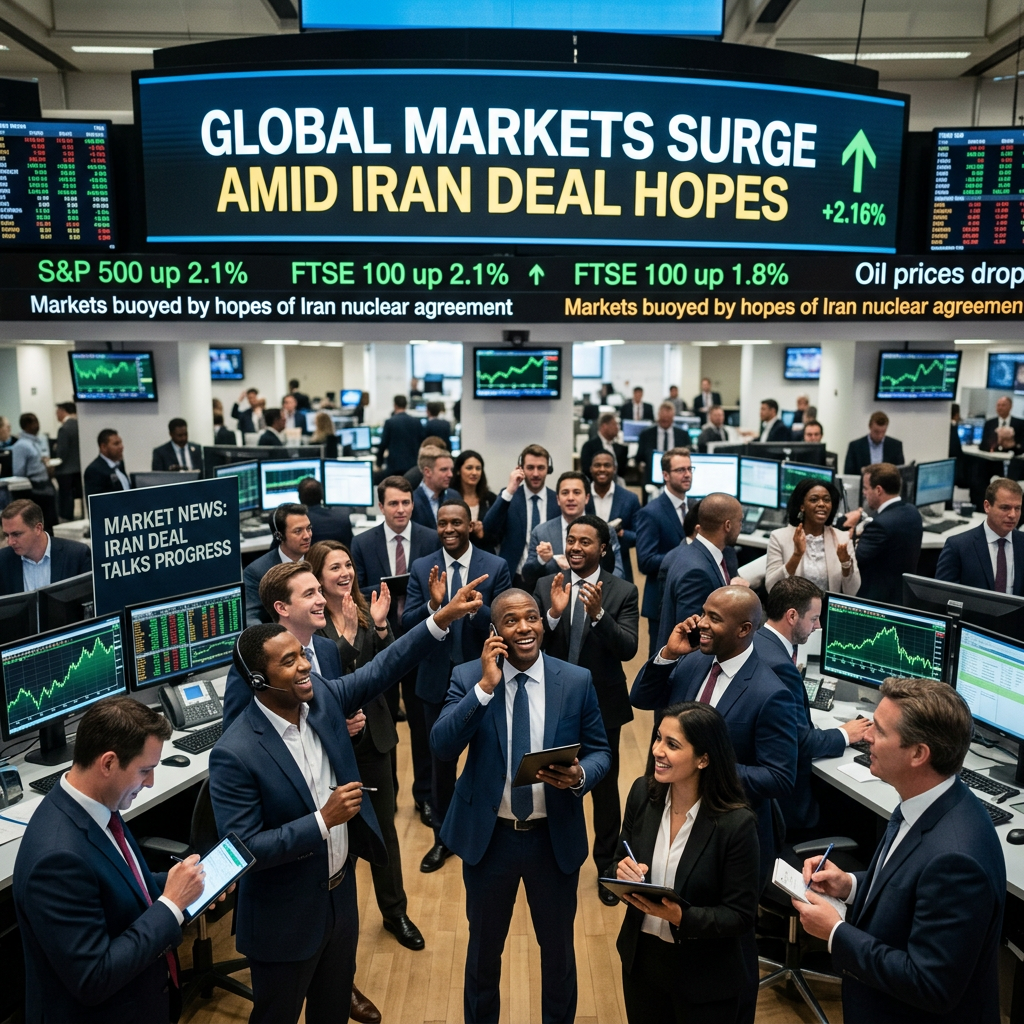
Market Movements: Stocks Surge Amid Peace Prospects in the Middle East
On Monday, stock markets around the world experienced a notable surge, buoyed by increased investor confidence stemming from the potential for a resolution to the ongoing Iran war. This optimism for peace has significantly influenced market dynamics, causing both the U.S. dollar and oil prices to retreat.
A Shift in Investor Sentiment
As news circulated regarding potential negotiations to pave the way for peace in the Middle East, investors became increasingly willing to take risks. The anticipation of stability in the region, which has been marred by conflict for years, ignited a sense of hope that economic growth and trade could soon flourish. This shift in sentiment led to a noticeable upswing in stock prices, as market participants rushed to capitalize on what they saw as an opportune moment.
The Impact on Oil Prices and the U.S. Dollar
In tandem with the rally in stocks, oil prices experienced a decline. Lower oil prices can have a cascading effect, potentially lowering costs for consumers and businesses, which, in turn, may spur further investment and economic activity. The easing of oil prices is a welcome relief for many, especially as high energy costs have been a persistent concern for economies worldwide.
Simultaneously, the U.S. dollar weakened in response to these developments. A softened dollar can enhance the competitiveness of American exports in the global market, potentially increasing demand for U.S. goods abroad. This interplay between the stock market, oil prices, and currency valuation highlights the complexities of global economic relations.
Caution Amidst Optimism
Despite the positive trends, caution lingers in the air. Market analysts have noted a lack of clarity regarding the timeline for when the Strait of Hormuz, a crucial chokepoint for global oil shipments, would reopen if a peace deal materializes. This uncertainty could temper enthusiasm among investors, leading to fluctuations in market confidence as additional news emerges.
A Watchful Eye on Future Developments
Investor focus remains sharply trained on news from the Middle East, as any substantial progress toward peace may serve as a catalyst for a broader economic recovery. While the stock market response on Monday was encouraging, traders and analysts alike are keenly aware that lasting change will depend on a variety of factors, including geopolitical stability and the timely opening of key trade routes.
In conclusion, the recent surge in stock prices coupled with declining oil prices and a weaker dollar reflects a complex economic landscape influenced by geopolitical developments. As the situation evolves, market participants must navigate both optimism and caution as they position themselves for potential opportunities in the coming weeks.
Read more via Reuter’s
 Media Air Base, LLC
Leave a comment