Oil jumps, stocks ease as US-Iran ceasefire hangs in the balance
LONDON, April 20 — Oil prices jumped and global equities pulled back on Monday as markets grew increasingly concerned that the ceasefire between the U.S. and Iran might not hold, while tensions over the Strait of Hormuz escalated.
Recent market trends indicate a significant surge in oil prices accompanied by a decline in global equities.
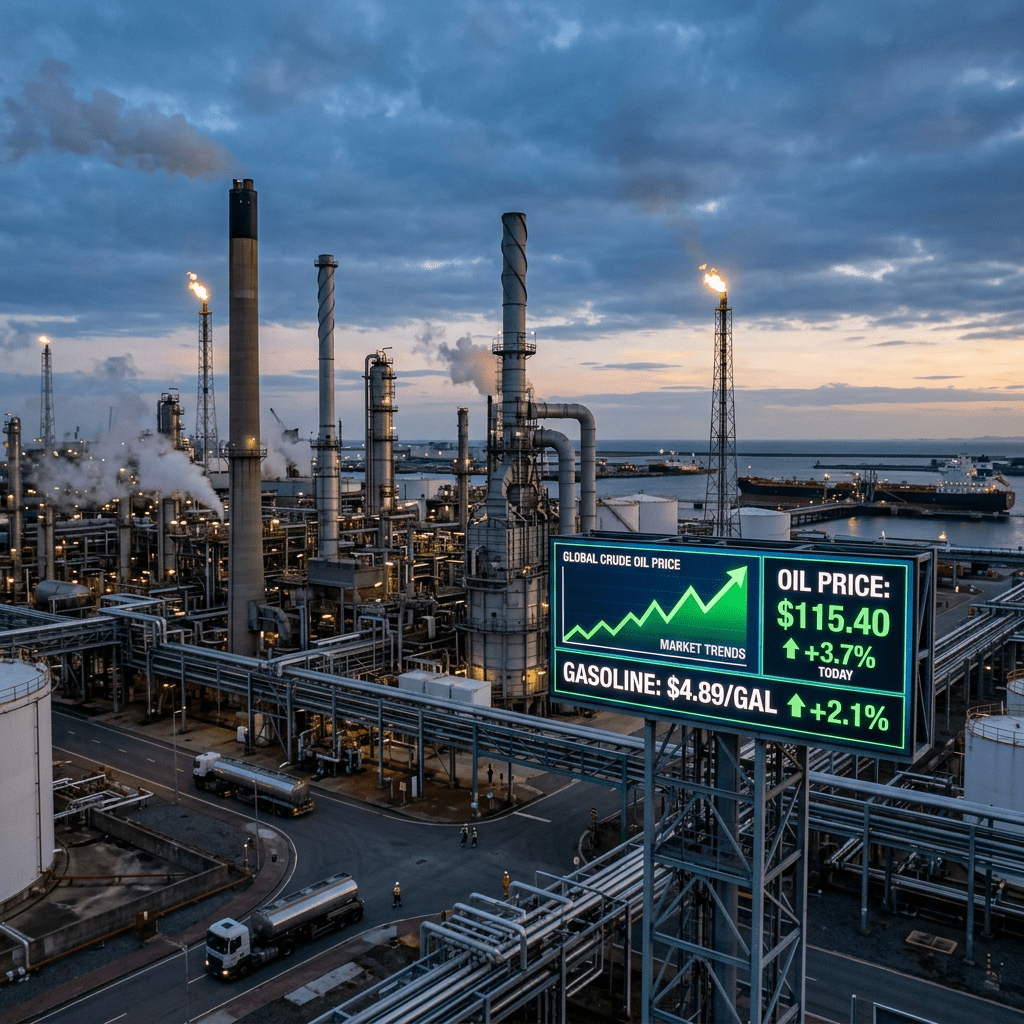
This shift comes amid rising concerns related to the fragile ceasefire between the United States and Iran, particularly as tensions escalate in the strategically important Strait of Hormuz.
Factors Influencing Oil Prices
- Geopolitical Tensions: The ongoing conflict and political instability in the Middle East, especially surrounding Iran, play a crucial role in influencing oil prices. The potential for renewed hostilities could disrupt oil supply chains, driving prices upward.
- Market Speculation: Traders are closely monitoring the developments in the US-Iran relations. Speculation regarding the durability of the current ceasefire is contributing to volatility in oil prices. An unstable geopolitical environment often leads to increased buying pressure on oil.
- Strait of Hormuz: As a critical passage for global oil shipments, any escalation in tensions in the Strait of Hormuz can have immediate repercussions on oil supply and pricing. A significant percentage of the world’s crude oil passes through this narrow waterway, making it a focal point for traders.
Impact on Global Equities
While oil prices have rallied, the stock markets have shown signs of easing. Investor sentiment appears cautious as uncertainty about the geopolitical landscape dampens market confidence.
- Sector Performance: Energy stocks may benefit from rising oil prices, while sectors heavily reliant on stable oil costs are likely to struggle. This divergence can lead to a mixed performance in equity markets.
- Global Economic Outlook: Investors often react to geopolitical developments by reassessing their outlook on economic growth. A potential conflict can raise concerns about supply chain disruptions and inflation, leading to a bearish stance on equities.
- Investor Strategy: With increased volatility expected in both oil and stock markets, investors may adopt a more defensive approach, focusing on sectors that are less susceptible to geopolitical risks.
Conclusion
The interplay between rising oil prices and easing stock markets encapsulates a broader narrative of how geopolitical tensions can shape economic landscapes. As the US-Iran ceasefire remains precarious, market participants will continue to navigate these uncertain waters, weighing the potential risks and rewards in their investment strategies. Traders are advised to stay informed on developments to make timely decisions in a rapidly changing environment.
 Media Air Base, LLC
Leave a comment