Honda’s Financial Loss
Published May 18 2026, 4:55AM ET UPDATED 3:00PM ET
This unexpected shift is a stark reminder of the volatile nature of the automotive industry, especially in the wake of global challenges such as supply chain issues and shifting consumer preferences.
As the world leans more towards electric vehicles and sustainable practices, Honda’s response will be crucial in determining its future. Stakeholders and consumers alike will be watching closely to see how the company adapts to this changing landscape while striving to reclaim its position as a leader in the automotive market. The financial loss not only signals a need for strategic reassessment but also presents an opportunity for innovation and renewal within Honda’s esteemed legacy.
A Historic Shift in 70 Years
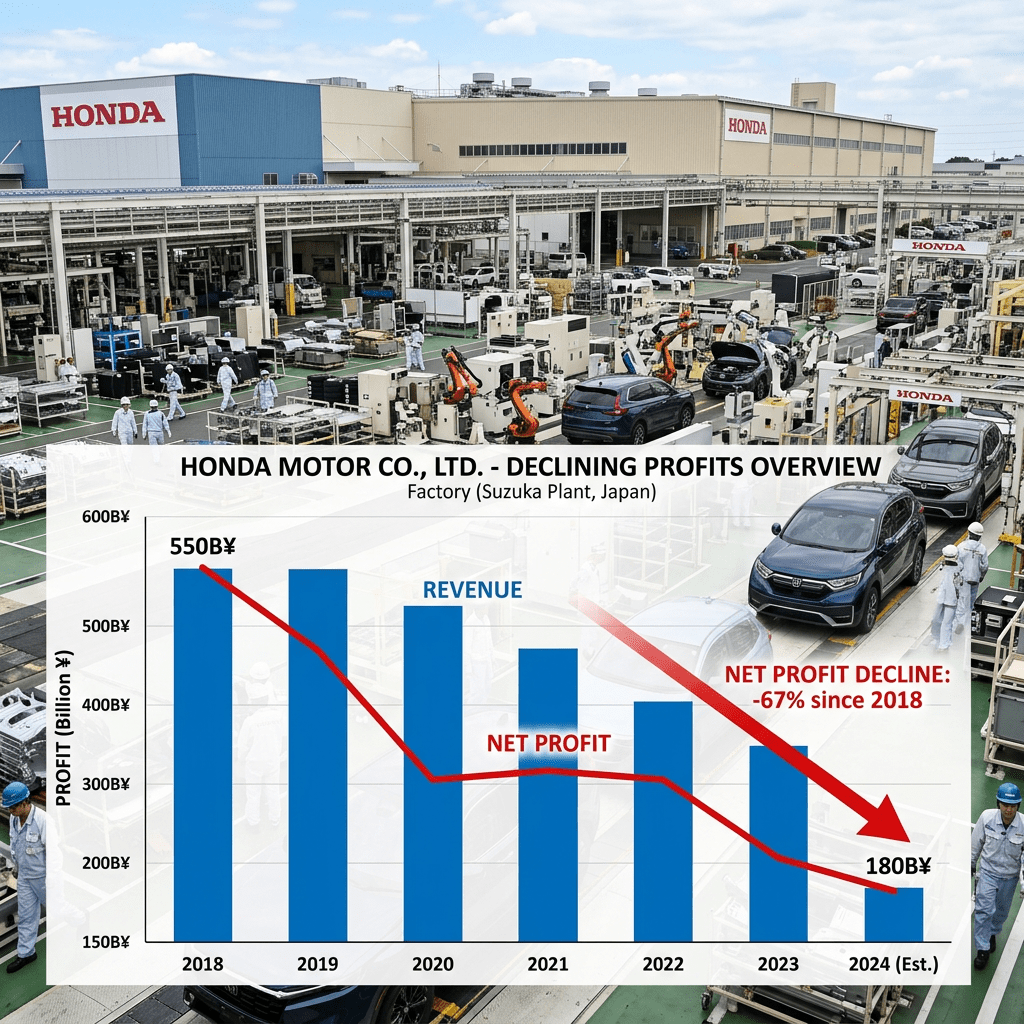
Honda, a name synonymous with reliability and innovation in the automotive industry, has recently reported a significant financial downturn, marking its first loss in 70 years. This unexpected shift serves as a stark reminder of the volatile nature of the automotive sector, particularly against the backdrop of various global challenges.
The Context
Over the past several years, the automotive landscape has been rapidly changing. Companies are grappling with supply chain disruptions, a shift towards electric vehicles (EVs), and evolving consumer preferences. These factors have been particularly challenging for traditional automakers like Honda, which have built their brands on internal combustion engines and conventional vehicles.
The Impact of Global Challenges
Honda’s financial loss can be attributed to multiple external factors:
- Supply Chain Issues: The pandemic exposed vulnerabilities within global supply chains, leading to shortages in critical components such as semiconductors. This has hindered production capacity and affected sales.
- Shift to Electric Vehicles: As consumers become increasingly focused on sustainability and cleaner alternatives, the demand for electric vehicles has surged. Honda’s slower adaptation to this trend has left it at a disadvantage compared to competitors who have aggressively pursued EV development.
- Changing Consumer Preferences: Modern consumers are not just looking for a means of transportation; they seek vehicles that are eco-friendly and technologically advanced. Honda’s traditional offerings may not align as closely with current market demands as they once did.
A Call for Strategic Reassessment
The recent financial loss signals a pressing need for Honda to reassess its strategic direction. Stakeholders, investors, and consumers will be monitoring how the company responds to these challenges.
A focus on innovation and rapid development of electric vehicles may be crucial for Honda to reclaim its foothold in the automotive market. Emphasizing sustainable practices and investing in new technologies could allow Honda to pivot successfully in this transformative era.
Looking Forward
While the loss is undoubtedly a significant setback, it also presents an opportunity for Honda to reinvent itself. The company has a rich legacy of engineering excellence and innovation, and harnessing these core strengths will be vital as it navigates this new landscape.
In conclusion, Honda’s first financial loss in 70 years is a pivotal moment for the automotive giant. It underscores the pressing need for strategic innovation and a commitment to evolving with the market. As stakeholders watch closely, Honda’s response to this challenge may well determine its future in an increasingly competitive and eco-conscious automotive industry.
 Media Air Base, LLC
Leave a comment