Instant AI answers can trivialize human intelligence, warns Royal Observatory
Published May 18, 2026 4:50AM ET UPDATED 3:00PM ET
In a thought-provoking statement, the Royal Observatory has raised concerns about the impact of instant AI answers on human intelligence. As artificial intelligence continues to evolve, there is a growing fear that reliance on these technologies could undermine our cognitive abilities and critical thinking skills.
The convenience of receiving immediate responses might encourage a culture of superficial understanding, where individuals become less inclined to engage deeply with information. The Observatory emphasizes the need for balance — while AI can serve as a powerful tool for knowledge acquisition, it is crucial that we foster our own intellectual curiosity and analytical capabilities.
In a world where information is at our fingertips, it is vital to remember that human intelligence is not just about having access to data, but about the ability to think critically, question, and innovate. Ensuring that we use AI as a complement to our thinking rather than a replacement is key to preserving our intellectual integrity in the age of technology.
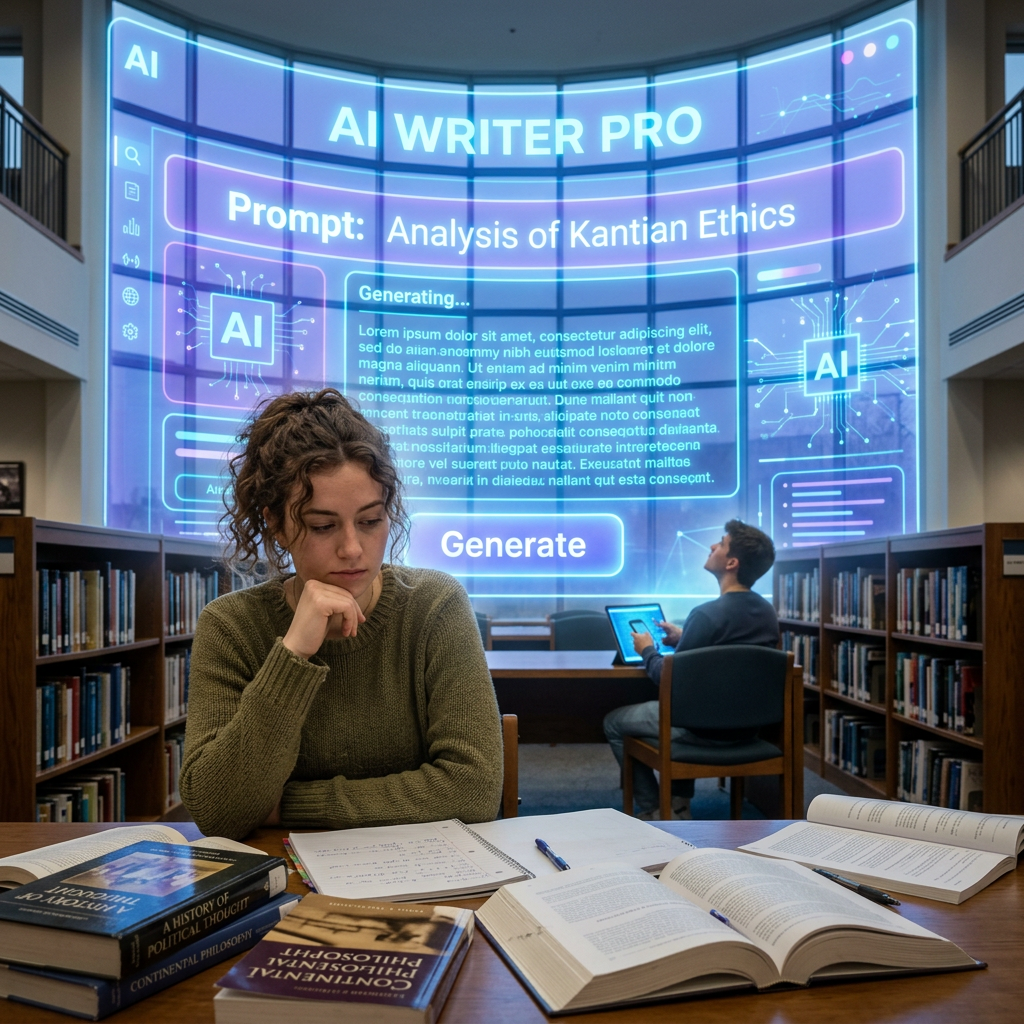
In a rapidly evolving digital landscape, the emergence of artificial intelligence (AI) has transformed the way we access and process information. However, the Royal Observatory has raised a critical alarm regarding the potential consequences of relying too heavily on instant AI responses. As these technologies become ubiquitous, concerns grow that they may trivialise our cognitive functions and critical thinking abilities.
The Convenience vs. Critical Thinking
The allure of AI lies in its ability to provide immediate answers to complex questions. This convenience often leads individuals to seek quick fixes rather than engaging in deep learning or critical analysis. The Royal Observatory posits that this reliance on instant information can foster a culture of superficial understanding, where people prioritize speed over substance. Such a shift may result in diminished intellectual engagement and a reduced capacity to process and analyze information comprehensively.
Fostering Intellectual Curiosity
While AI undeniably serves as a powerful tool for acquiring knowledge, the Observatory underscores the necessity of maintaining a balance. It is imperative that individuals cultivate their own intellectual curiosity and analytical skills, rather than solely depending on technology for answers. Engaging deeply with information challenges our minds and encourages innovation, leading to more robust understanding and insights.
The Essence of Human Intelligence
In an era where information is readily available at our fingertips, it is crucial to remember that human intelligence transcends the mere possession of data. Critical thinking, questioning, and creativity are the cornerstones of true intellectual integrity. The Royal Observatory emphasizes that using AI as a complementary resource to our thinking processes, rather than a substitute, is essential for preserving our cognitive abilities.
In closing
As we navigate the complexities of a technology-driven world, the message from the Royal Observatory is clear: While instant AI answers may enhance our access to information, we must remain vigilant about their potential impact on our intelligence. Striking a balance between leveraging AI and fostering our cognitive skills will be vital in ensuring that we do not allow technology to undermine the very essence of what it means to be human. Keeping our intellectual curiosity alive will not only enrich our understanding of the world but also safeguard the future of human intelligence.
 Media Air Base, LLC
Leave a comment