The 4% Rule is now the 4.7% Rule
Published May 18, 2026 4:45AM ET UPDATED 2:50PM ET
The landscape of retirement planning is shifting, and one of the most significant changes is the adjustment of the well-known 4% rule to a new benchmark of 4.7%. This increase might seem subtle, but it carries profound implications for those preparing for retirement.
The 4% rule has long been the gold standard for determining how much one can withdraw from their retirement savings without running out of money over a 30-year span. This adjustment to 4.7% suggests that retirees could potentially withdraw more from their investments while maintaining the same level of financial security.
However, it’s essential to consider various factors, such as market conditions, inflation, and personal circumstances. This new rule encourages individuals to re-evaluate their retirement strategies and ensure they are on track to achieve their financial goals. As always, consultation with a financial advisor can provide personalized insights tailored to individual situations.
Embracing these changes could make a substantial difference in how comfortably you enjoy your retirement years.
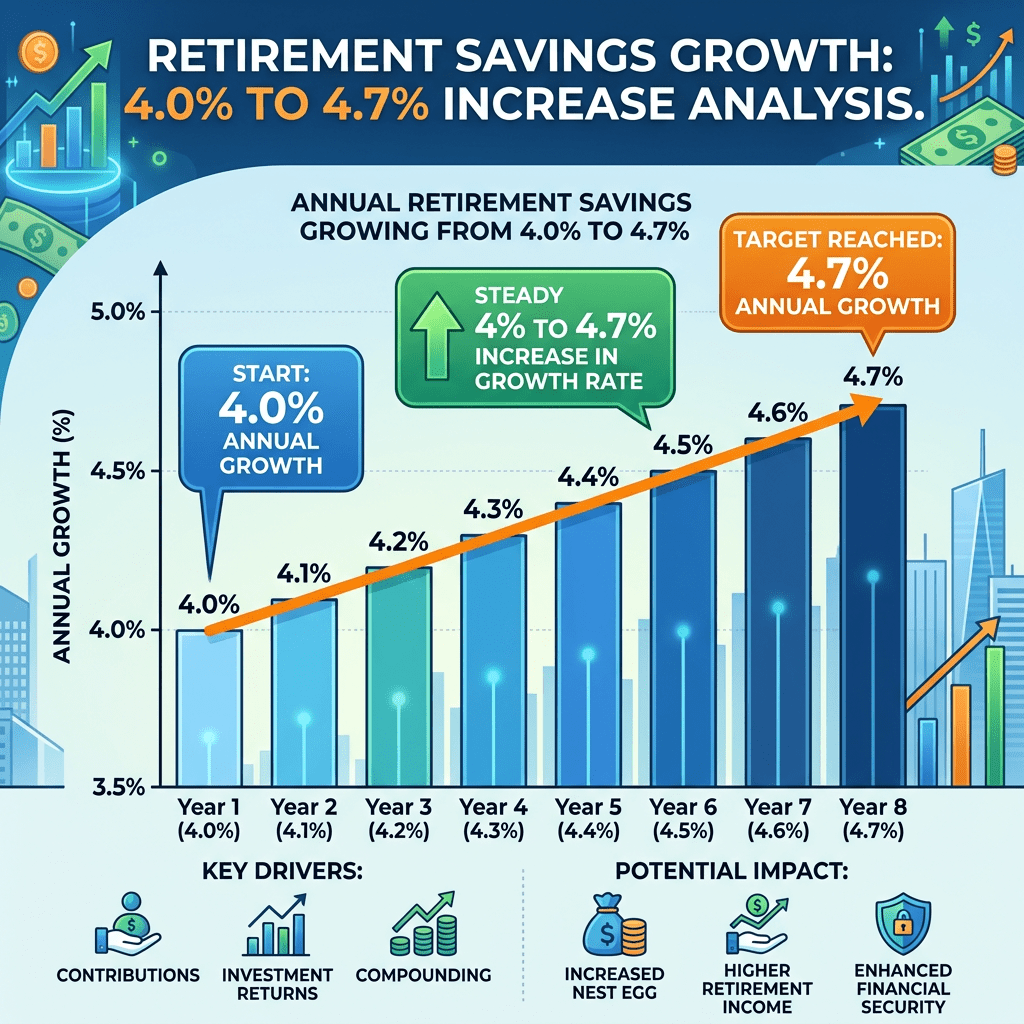
Retirement planning is undergoing a significant transformation, with one of the most notable changes being the adjustment of the time-honored 4% rule to a new benchmark of 4.7%. While this increase might appear minor at first glance, it has far-reaching implications for retirees and those nearing retirement.
Understanding the 4% Rule
The 4% rule has served as a guiding principle for retirees, establishing a guideline for how much one can withdraw from their retirement accounts without risking depleting their savings over a typical retirement span of 30 years. Developed in the 1990s through analysis of historical market returns, the rule provided comfort and a simplified strategy by suggesting retirees could safely withdraw 4% of their investment portfolio annually.
The Shift to the 4.7% Rule
The recent adjustment to a 4.7% withdrawal rate reflects changes in economic conditions, including interest rates, investment returns, and inflation rates. This new percentage signalizes that retirees may have more flexibility in their spending, thereby allowing them to withdraw a larger sum from their savings while still maintaining a reasonable level of financial security.
Implications of the Increase
- Greater Withdrawal Flexibility: With the ability to withdraw more, retirees can enjoy a higher standard of living without fear of running out of money. This may facilitate lifestyle choices such as traveling, healthcare expenses, or funding hobbies that enrich their retirement years.
- Re-evaluating Retirement Strategies: The increase to the 4.7% rule encourages individuals to reassess their retirement plans. It’s an opportunity to take a closer look at investment allocations, spending habits, and anticipated expenses to make adjustments that align with this new guideline.
- Considering Economic Factors: While the 4.7% rule provides a more generous withdrawal rate, it’s crucial for retirees to factor in market volatility, inflation, and personal circumstances when planning their withdrawals. This ensures they do not overextend their spending based on historical averages that may evolve over time.
- Consultation with Financial Advisors: Given this shift, seeking advice from financial advisors becomes increasingly important. Personalized insights can help individuals navigate their specific situations, ensuring that their retirement plans remain robust and responsive to changing conditions.
So…
Embracing the 4.7% rule opens a range of possibilities for those preparing for retirement. It provides a valuable opportunity for retirees to enjoy their golden years more comfortably, with an increase in their annual withdrawal capability. As retirement planning continues to evolve, keeping informed about such shifts is essential for achieving financial goals and maintaining a fulfilling lifestyle in retirement. Make sure to revisit your retirement strategy regularly to stay aligned with these changes and optimize your financial future.
 Media Air Base, LLC
Leave a comment